
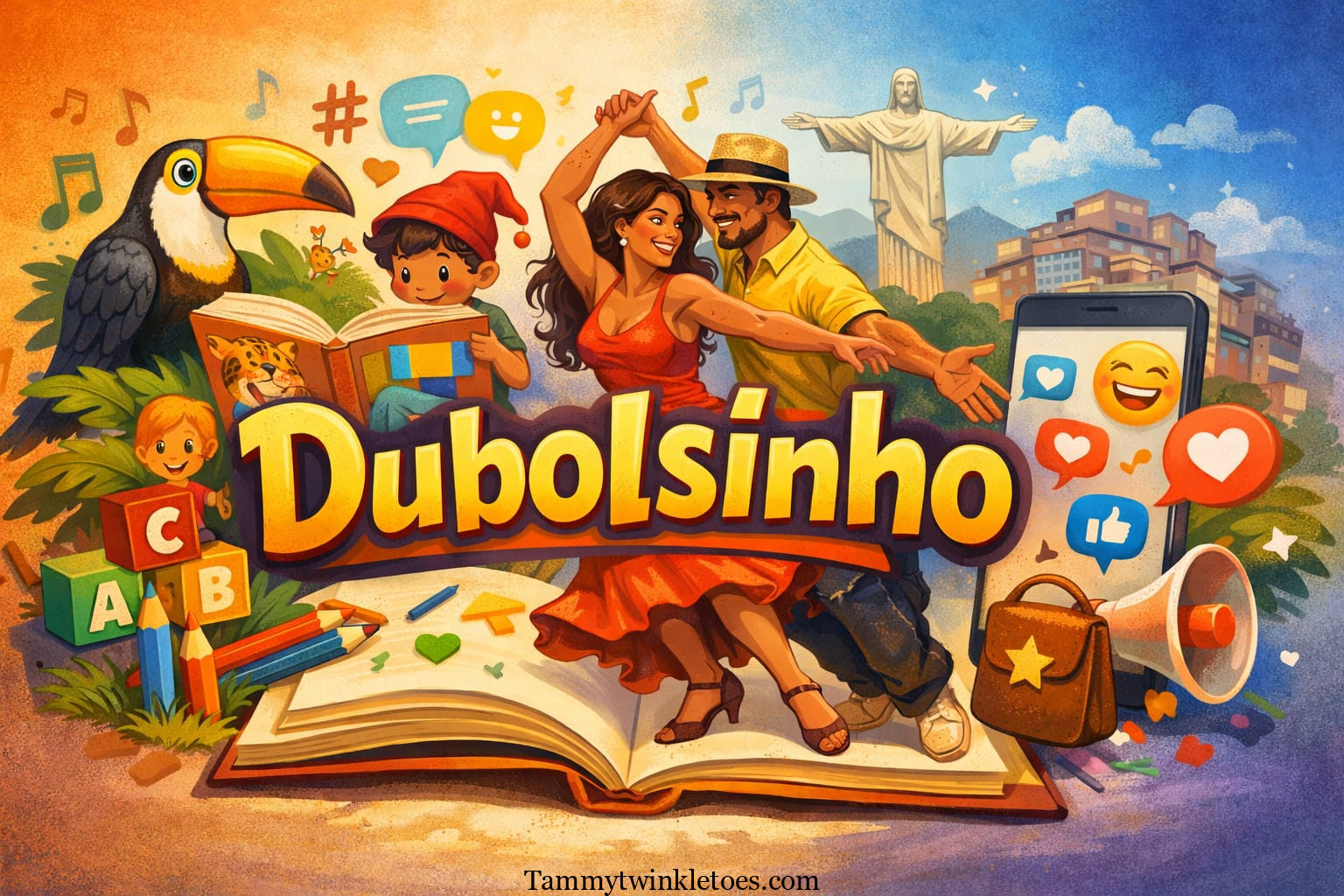
The term Dubolsinho has gained traction in recent years, particularly in Brazilian cultural, literary, and digital contexts. Despite being relatively unknown internationally, it represents a multifaceted concept that spans publishing, artistic expression, internet culture, and branding.
From its roots in children’s literature to its emergence in music, dance, and online communities, illustrates how a single term can evolve and adapt to diverse contexts. Its influence reflects broader trends in Brazilian culture, where creativity, humour, and education intersect in dynamic ways. Understanding provides insight not only into language and culture but also into how local ideas can gain global attention through digital platforms.
Origins of Dubolsinho
Dubolsinho originates from Brazil and is a combination of Portuguese words that often imply a diminutive or affectionate sense. Its earliest known use relates to children’s literature and educational publishing, reflecting a cultural commitment to literacy, imagination, and community education.
The publishing house Edições Dubolsinho, founded in the early 2000s in Sabará, Minas Gerais, played a pivotal role in defining the brand. The company focused on producing books for young readers, combining educational value with creativity. These publications often integrated local Brazilian folklore, cultural narratives, and moral lessons, which helped instill a sense of cultural identity and ethical understanding in children.The choice of the name reflects a combination of warmth, approachability, and a playful tone, aligning perfectly with the audience it served young learners, parents, and educators.
Dubolsinho in Literature and Education
Contribution to Children’s Literature
Dubolsinho’s influence in literature primarily revolves around children’s education and development. The publishing house sought to fill a significant gap in the Brazilian market for high-quality, culturally relevant children’s books, offering content that was both educational and engaging.By collaborating with local authors and illustrators, Dubolsinho created a unique catalog of books that captivated young readers. This collection included illustrated storybooks with Brazilian folklore, bringing the rich heritage and traditional narratives of Brazil to life in a format accessible to children.
Impact on Brazilian Educational Programs
Beyond publishing, Dubolsinho’s books played an essential role in educational initiatives throughout Brazil. Many schools integrated these works into classroom settings, using them as primary teaching materials to support reading comprehension and cultural learning.Libraries across the country included titles in reading programs, encouraging children to engage with stories outside of the classroom and fostering a lifelong love of reading.Furthermore, educational NGOs often distributed Dubolsinho’s books to underprivileged communities, ensuring access to high quality learning resources for children who might not otherwise have them.
Dubolsinho as a Cultural Movement
In addition to its literary significance, the term Dubolsinho has evolved to describe a cultural expression, particularly in dance and social interaction. Contemporary interpretations connect it to Brazilian musical traditions and rhythmic movement.
Dance and Music Influence
Dubolsinho has also become associated with dance forms inspired by samba, forró, and other traditional Brazilian rhythms. Enthusiasts and cultural groups have adopted the term to describe dynamic, improvisational movements that feature rhythmic footwork, expressive upper body gestures, and interactive group choreography. These performances are often showcased in community festivals, cultural gatherings, and online videos, highlighting Brazil’s rich tradition of music and dance.
Community and Cultural Identity
The adoption of Dubolsinho in dance and music reflects a larger social and cultural significance. Communities use these practices to celebrate Brazilian heritage, foster collaboration, and engage younger generations in creative activities. As a result, Dubolsinho has transcended its original literary context to become a symbol of cultural pride and participatory art.
Dubolsinho in Digital and Social Media Culture
With the rise of social media platforms,found a new life in digital culture, particularly in Brazil. Its versatility allows it to function as a meme, online nickname, or branding tool, demonstrating how language can adapt to contemporary digital spaces.On platforms such as Twitter, TikTok, and Instagram, Dubolsinho is often used humorously to critique blind loyalty or unquestioning support, especially in political or social contexts. The word’s playful sound makes it effective for satire, while its diminutive form conveys a sense of light-heartedness.
Memes featuring Dubolsinho typically use humor to communicate criticism, incorporate cultural references familiar to Brazilian audiences, and spread rapidly due to the catchy, rhythmic nature of the term.In addition to meme culture,leveraged as a unique identifier for personal branding and creative projects. Its originality and memorability make it ideal for usernames and social media handles, brand names for small digital businesses, and creative project titles or online campaigns.
Linguistic and Semantic Significance of Dubolsinho
Beyond its applications, Dubolsinho is particularly interesting from a linguistic perspective. Its structure in Portuguese suggests that “Du” may be derived from “dois” (two), indicating a dual or paired aspect, while “Bol” or “Bolsinho” is the diminutive of “bolsa,” meaning small bag or pocket, often used affectionately. This composition conveys something small, approachable, and endearing, which aligns perfectly with its historical use in children’s literature and educational materials.
Over time, the term’s playful phonetic appeal has contributed to its adoption in dance, digital culture, and branding, demonstrating the power of language evolution in shaping cultural meaning. Its adaptability also highlights how words can transcend their original contexts, gaining new life and relevance in modern social and artistic settings, both online and offline.
Dubolsinho and Global Influence
Although primarily Brazilian, Dubolsinho has gained international attention through social media and cultural exchanges. Videos of dance routines, online literary references, and meme usage have introduced the term to audiences beyond Brazil. This global diffusion underscores:
- The universality of rhythmic movement
- The appeal of culturally unique terminology in digital spaces
- The potential for small, niche concepts to gain global recognition through media
Moreover, exemplifies how cultural terms can be fluid, transitioning from local identity markers to globally recognized symbols through digital connectivity.
Practical Applications of Dubolsinho Today
Today, Dubolsinho has several practical applications that reflect its broad cultural and commercial relevance. In education, teachers and educators use branded literature to promote literacy, creativity, and critical thinking among young learners. In the realm of cultural events, dance workshops, community festivals, and music performances incorporate Dubolsinho-inspired movements as both a teaching tool and a form of entertainment, highlighting Brazil’s vibrant artistic traditions.
The term also finds a place in digital marketing, where small brands and creative entrepreneurs adopt for online branding, leveraging its uniqueness, memorability, and cultural resonance. Additionally, in social commentary, online communities use memes and humorous discussions to engage audiences while addressing broader social issues. These diverse applications demonstrate the multi-layered utility of Dubolsinho, illustrating how it spans educational, cultural, digital, and social domains while remaining relevant across generations and contexts.
Why Dubolsinho Matters
Dubolsinho is more than just a word; it has become a cultural touchstone with significance that spans multiple domains. It plays a vital role in preserving Brazilian literary and artistic heritage, ensuring that traditional narratives and creative expressions remain alive for new generations. At the same time, it fosters creativity and participatory culture, encouraging communities to engage in artistic, educational, and social activities. Dubolsinho also offers unique branding opportunities in the digital age, allowing individuals and businesses to leverage its originality and cultural resonance.
Furthermore, it serves as a bridge between local identity and global cultural dissemination, demonstrating how a single term can carry meaning beyond its immediate context. Its versatility highlights the importance of language as a cultural connector, capable of evolving and adapting while remaining rooted in local tradition.
Future Prospects of Dubolsinho
As Dubolsinho continues to evolve, several trends are likely:
- Expansion in Digital Media Wider adoption in online communities and as a creative brand name.
- Integration into Arts and Performance More cultural institutions may formalize Dubolsinho as part of dance curricula or music education.
- Global Recognition Through social media,could become a recognised symbol of Brazilian cultural innovation worldwide.
- Educational Innovation New literary works and interactive content under the Dubolsinho banner may continue to support literacy and cultural understanding in Brazil and beyond.
The term’s adaptability ensures it remains relevant across multiple domains, making it an enduring part of Brazil’s cultural and linguistic landscape.
Conclusion
Dubolsinho represents a fascinating intersection of literature, culture, digital media, and social expression. From its origins as a children’s book publisher to its evolution into a dance movement, social media meme, and branding tool, the term embodies creativity, adaptability, and cultural identity.
Its unique linguistic structure and engaging phonetics allow it to thrive across diverse contexts, demonstrating the power of language to shape cultural and digital experiences. In essence, Dubolsinho serves as a symbol of educational and literary innovation in Brazil, a dynamic cultural expression through music and dance, a digital-era meme and branding tool, and a global ambassador of Brazilian creativity gaining recognition through online platforms.