
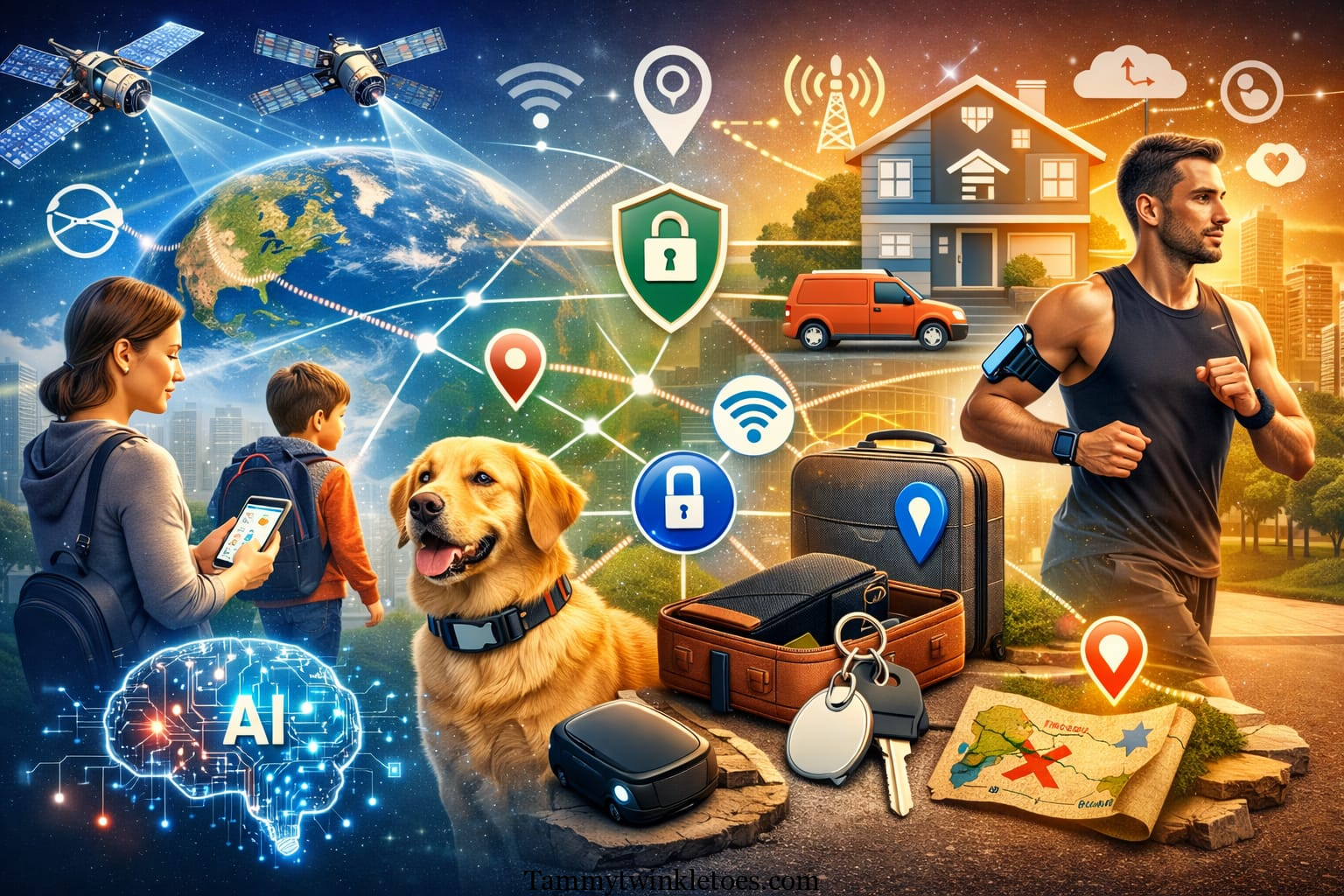
In today’s fast-paced world, keeping track of your belongings, loved ones, pets, or even digital activities has become increasingly important. Enter the tracqueur a modern tracking tool that helps monitor movement, location, and behaviour. From GPS devices in vehicles to wearable trackers for pets and children, tracqueurs have quietly become an indispensable part of daily life.
These smart devices not only provide peace of mind but also enhance safety, efficiency, and convenience in ways we often take for granted. As technology evolves, tracqueurs are becoming smaller, smarter, and more integrated into everyday devices, making them more accessible to everyone.
What Is a Tracqueur
The term tracqueur comes from the French word for tracker, originally referring to a person who followed clues to find an object or individual. Today, however, a no longer a person it is a device or software system designed to monitor, record, and report the movement or activity of something over time.
It come in two main forms. Physical tracqueurs are small hardware devices that rely on GPS, Bluetooth, or cellular networks to track objects, pets, or vehicles in real time. On the other hand, software are programs embedded in apps or websites that monitor digital behaviour, such as website visits, app usage, or user interactions. The primary purpose is straightforward: to provide accurate, real-time information that allows you to locate, monitor, or analyse the movement of anything important, making life safer, more efficient, and more connected.
How Does a Tracqueur Work
At the heart of every tracqueur is a combination of detection, communication, and reporting mechanisms. These devices work using multiple technologies often simultaneously, to provide accurate tracking.
GPS Based Tracking
GPS satellites orbit the Earth and continuously send signals. A tracqueur listens to these signals from multiple satellites to calculate its precise position. Modern devices may also use GLONASS, a Russian satellite system, to improve accuracy. By combining data from multiple satellite networks, can provide location updates with remarkable precision, often down to a few meters. This technology makes it possible to track vehicles, pets, or valuable items in real-time, even across vast distances.
Cellular Network Tracking
Some tracqueurs use GSM or cellular networks to communicate their location. This is particularly useful in areas where GPS signals are weak or obstructed, such as urban environments or indoors. The tracqueur sends its location data via mobile networks, allowing you to track it remotely. Cellular tracking also allows for continuous updates when a device is on the move, making it ideal for monitoring fleet vehicles or delivery packages. Combined with GPS, it ensures uninterrupted tracking even in challenging signal conditions.
Bluetooth and Wi Fi Signals
For short-range tracking, devices can leverage Bluetooth or Wi-Fi signals. For instance, a Bluetooth-enabled tracqueur on a pet’s collar can alert you when the animal moves out of range. In large indoor areas, Wi-Fi-based tracking can determine approximate positions by detecting nearby access points. This makes Bluetooth and Wi-Fi trackers perfect for indoor navigation, office environments, or crowded public spaces. They also enable smart home integrations, such as triggering alerts when items leave a room or zone.
Data Transmission and Mobile Apps
Once the tracqueur collects location data, it sends it to a mobile app or web dashboard. The app displays the device’s current location, movement history, and notifications. Geofencing features can alert users if the device moves outside predefined boundaries. Some trackers even provide activity statistics, such as speed, distance travelled, or patterns over time. Advanced apps also allow multiple users to access the same tracker, making it easy for families, teams, or businesses to stay connected and informed simultaneously.
Common Types of Tracqueur
Tracqueurs come in various forms depending on their intended use. Each type serves a distinct purpose and comes with unique features Vehicle are commonly installed in cars, motorcycles, and fleets to prevent theft, monitor driver behaviour, and optimise route efficiency. Companies rely on these trackers to reduce fuel consumption, track deliveries, and ensure overall driver safety. Personal tracqueurs are designed for children, elderly individuals, or hikers, providing peace of mind through real-time location updates, SOS buttons, and geofencing alerts.
Pet come in the form of small tags or collars that help track the location of dogs, cats, or other pets. Some models also monitor activity and health metrics, allowing owners to respond immediately if a pet wanders off. Object and luggage tracqueurs are compact devices that can be attached to keys, backpacks, luggage, or other valuable items.
These trackers often use Bluetooth for short-range tracking or GPS for long-distance tracking, helping to prevent the loss of personal belongings. Fitness and health typically in wearable form, track steps, distance, heart rate, sleep, and other health metrics. They convert raw data into actionable insights, assisting users in improving fitness routines and, in some cases, sharing information with healthcare providers.
Uses of Tracqueur in Daily Life
- Family Safety Track children and elderly family members; receive alerts when they enter or leave designated areas.
- Pet Safety Locate pets in real-time with GPS and mobile notifications.
- Theft Prevention Recover stolen vehicles, bikes, or valuables using real-time tracking data.
- Fleet Management & Logistics Monitor delivery vehicles, optimise routes, and track driver performance to improve efficiency and reduce costs.
- Fitness & Sports Track distance, pace, and activity trends; analyse performance over time for better training.
- Educational & Recreational Uses Enhance outdoor learning and games; track students on field trips and use tracqueurs in treasure hunts.
Benefits of Using a Tracqueur
Tracqueurs offer a range of benefits that make them highly valuable in everyday life. One of the most obvious advantages is convenience, allowing users to quickly locate people, pets, or important items with just a few taps on a mobile app. Beyond convenience, they also enhance safety by providing real-time alerts, ensuring that loved ones, pets, and valuable belongings remain secure. For businesses,improve efficiency by helping optimise operations, monitor performance, and reduce costs.
In the realm of personal health, wearable offer health insights, tracking activity levels, steps, heart rate, and other metrics, which encourages better lifestyle choices. Finally, tracqueurs bring learning and fun to everyday experiences, making educational activities and interactive games more engaging, whether through field trips, treasure hunts, or sports tracking. Together, these advantages highlight why it become an indispensable tool in both personal and professional contexts.
Choosing the Right Tracqueur
Choosing the right requires careful consideration of several key factors to ensure it meets your specific needs. Accuracy is essential, so look for devices that support GPS and GLONASS for precise location tracking. Battery life is another critical factor, as some tracqueurs can operate for weeks on a single charge, while others may last only a few days depending on update frequency. The range of the device is important too indoor tracking might rely on Bluetooth or Wi-Fi signals, whereas outdoor tracking typically uses GPS or cellular networks. Durability matters for active use, so waterproof or rugged designs are ideal for pets, outdoor adventures, or harsh environments.
A well-designed app interface makes monitoring and receiving alerts simple and intuitive. Lastly, privacy and security cannot be overlooked; choose that use strong data encryption and restrict access to ensure your information remains safe. By weighing these factors carefully, you can select a tracqueur that is reliable, efficient, and suited perfectly to your lifestyle.
Cost of Tracqueur
The cost of tracqueurs can vary widely depending on their type, features, and level of sophistication. Basic Bluetooth trackers are typically the most affordable, ranging from £20 to £50, and are suitable for short-range tracking of keys, wallets, or small personal items. Advanced GPS trackers offer real-time, long-range monitoring and come with a higher price tag, usually between £50 and £300 or more, depending on additional features like geofencing, SOS alerts, or activity tracking.
Many GPS also involve subscription fees, with monthly plans ranging from £5 to £50 to maintain network coverage and access to live location data. While there are free or very low-cost options available, these generally have limited range and functionality, making them less suitable for comprehensive tracking needs. Choosing the right involves balancing budget with the desired capabilities and reliability.
Legal and Ethical Considerations
While tracqueurs are highly beneficial, misuse can lead to legal issues:
- Consent Tracking others without their permission is illegal in most countries.
- Property Tracking Legal when used on your belongings or minors under your care.
- Employee Monitoring Must comply with employment laws and data privacy regulations.
- Privacy Protection GDPR, ICO (UK), and FTC (US) laws require consent and transparent data policies.
Ethical usage ensures trust and prevents violations, making effective tools rather than invasive devices
Limitations of Tracqueur
Despite their advantages, tracqueurs are not perfect:
- Indoor GPS Accuracy GPS signals can be weak indoors or underground.
- Battery Life Frequent updates reduce battery longevity.
- Network Dependency Cellular need mobile network coverage.
- Privacy Concerns Unauthorized tracking is a serious legal and ethical issue.
Advanced devices now combine GPS, Bluetooth, and Wi-Fi to overcome indoor limitations and extend battery life.
Future of Tracqueur
The evolution of tracqueurs is paving the way for smarter, more intuitive, and user-friendly tracking solutions. AI and predictive tracking enable devices to anticipate movement patterns rather than just reporting current locations, offering proactive insights and enhanced security. IoT integration allows to connect seamlessly with smart home systems, creating a more automated and connected environment.
Advances in miniaturisation mean devices are becoming smaller, lighter, and capable of lasting months on a single battery, making them easier to carry or attach to pets, vehicles, or personal items. Enhanced privacy controls give users greater authority over who can access their data, ensuring tracking remains secure and ethical. Additionally, tracqueurs are increasingly applied in healthcare, providing continuous monitoring for fitness, medical purposes, and overall wellness. Together, these innovations are transforming into indispensable tools that combine convenience, safety, and intelligence, firmly embedding them into everyday life.
Conclusion
A tracqueur is no longer a niche device but a versatile, practical tool that improves safety, efficiency, and lifestyle quality. Whether used for personal safety, pet monitoring, fleet management, or digital behaviour tracking, provide real-time insights, convenience, and peace of mind.
With advancements in AI, miniaturisation, and user privacy are poised to become even more intelligent, unobtrusive, and essential in the years ahead. When used responsibly, a tracqueur is a powerful ally a quiet helper that ensures your world is safe, organised, and connected.