
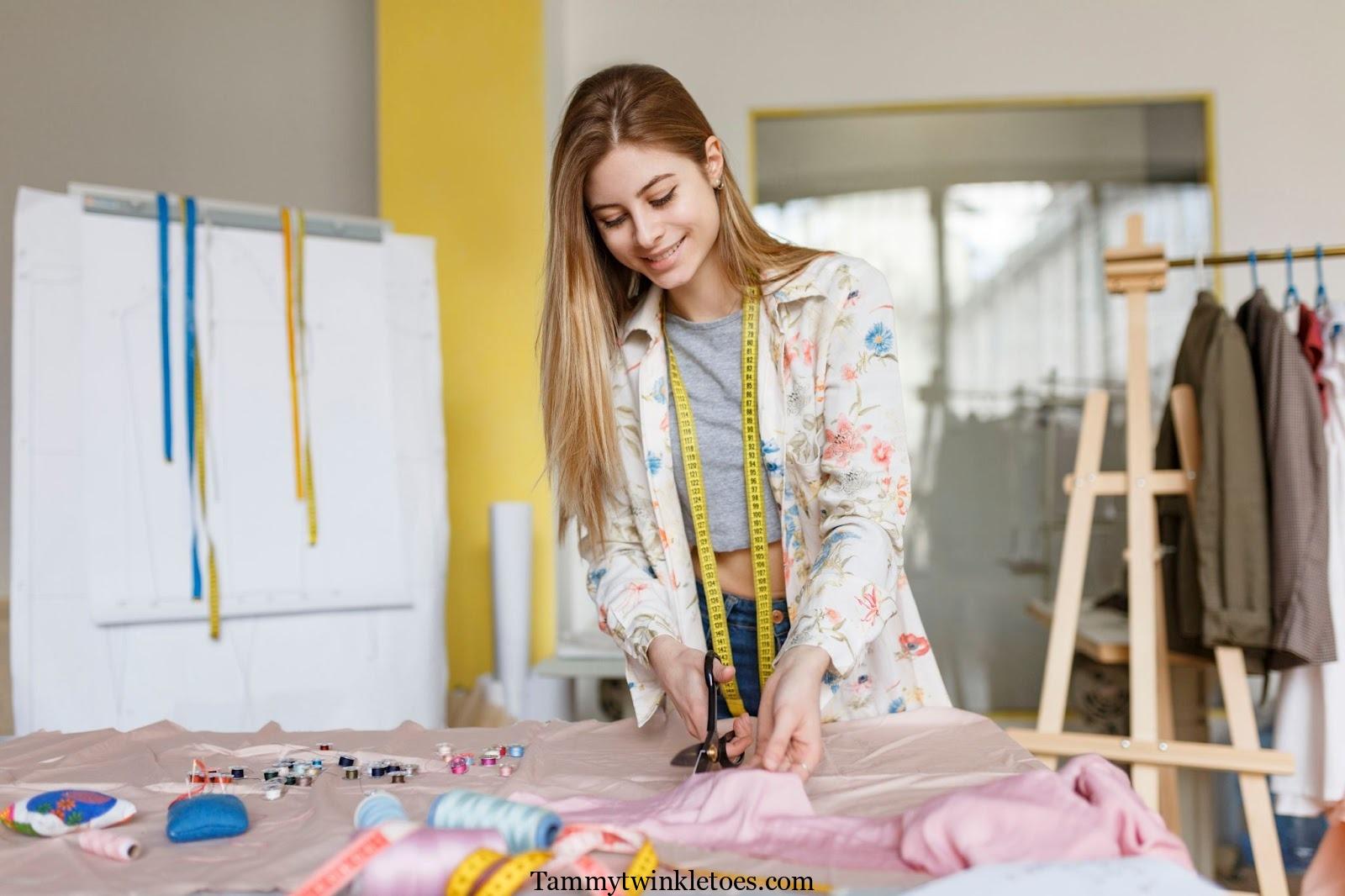
For decades, the creative industries operated largely on talent, reputation, and word of mouth. That is still true but something has shifted. More fashion designers, costume makers, and textile artists are now pursuing formal qualifications, and the reasons behind that shift say a lot about where the industry is heading.
There is a particular kind of pride that comes from making something by hand from start to finish. Whether it is a fit 1930s evening coat or a bespoke wedding gown. The skill involv in pattern drafting, fabric selection, and construction is hard won and deeply personal. But skill alone, it turns out, is no longer always enough — at least not in the professional spaces where creative practitioners increasingly find themselves.
Across the UK, New Zealand, Australia, and much of the English-speaking world, the creative industries are professionalising. Not in a way that diminishes craft or replaces intuition with paperwork, but in a way that opens doors: to teaching positions, to formal collaborations, to government-funded projects, and to institutional clients who require documented qualifications as part of their procurement process.
The Credential Gap in the Creative Industries
City & Guilds, one of the UK’s oldest awarding bodies, offers a range of fashion and textile qualifications that have long served as benchmarks for professional-level skill. According to the City & Guilds official website, their fashion and clothing programmes cover everything from garment construction and pattern cutting to production and business skills providing a structured pathway for practitioners who want formal recognition of their expertise.
Similar frameworks exist through NZQA in New Zealand and various TAFE providers in Australia. What they share is a common purpose: creating a recognised standard that allows skilled practitioners to demonstrate their capabilities in a way that employers, institutions, and clients can evaluate with confidence.
For independent makers and studio owners, this might sound like bureaucratic overhead. In practice, it tends to be more liberating than constraining. A formal qualification opens conversations that might otherwise never start — with schools looking for visiting instructors, with heritage organisations commissioning reproduction work, or with community arts programmes that require credentialled facilitators.
Why the Shift Is Happening Now
The push toward formal credentials in fashion and textiles is not about replacing experience. It is about translating experience into something universally legible — a language that institutions, funders, and clients can read without needing to already know your work.
Several forces are converging. The growth of short courses and online learning has made qualification pathways more accessible than at any previous point in history. At the same time, the gig economy has pushed more creative professionals into situations where their credentials are scrutinised in ways they never would have been when working for a single employer over many years.
There is also a generational element. Younger practitioners entering the field today are more likely to have come through formal design education. For established makers who built their skills through apprenticeship, self-teaching, and experience rather than institutional training, formal accreditation offers a way to ensure their knowledge is recognised on equal terms.
Preparing for Qualification Assessments
Most textile and fashion qualifications involve a combination of practical assessment and written components covering theory, production processes, fabric science, and business practice. The written elements, in particular, can catch experienced practitioners off guard — not because the knowledge isn’t there, but because formal examinations require a different kind of preparation than studio work.
For those navigating any kind of professional certification or qualification assessment, working through practice test questions and answers ahead of time is consistently one of the most effective preparation strategies. It familiarises you with question formats, reveals gaps in your theoretical knowledge, and helps you build the kind of confidence that converts what you already know into accurate, structured responses under assessment conditions.
This is particularly relevant for practitioners who have significant hands-on experience but less exposure to formal test environments. The content knowledge is rarely the problem. The format is.
What This Means for the Creative Community
The trend toward credentialling in fashion and textiles does not diminish the value of experience or the beauty of work produced without ever sitting a formal exam. What it does is create more pathways — more ways for skilled practitioners to prove their worth, access new opportunities, and connect with a wider professional community.
For independent designers, studio teachers, costume makers, and everyone else who makes their living with fabric and thread, this is worth paying attention to. The doors that formal qualifications open tend to stay open.
Disclaimer
This article is intended for general informational and educational purposes only and does not constitute career, educational, or professional advice. References to qualification bodies such as City & Guilds, NZQA, or other institutions are provided for context and do not represent endorsements or guarantees of outcomes. Qualification requirements, assessment formats, and career benefits may vary by region, institution, and individual circumstances. Readers are encourage to consult official awarding bodies or accredited training providers for the most accurate and up-to-date information. The author and publisher assume no responsibility for any decisions or actions taken based on the information presented in this content.